Guide · Day Master
What is a Day Master?
The short answer
Your Day Master is the heavenly stem at the top of the day pillar in a Saju chart. There are ten possibilities: Wood, Fire, Earth, Metal and Water, each in a yin or yang form. It is calculated from the birth day, not chosen from a personality quiz or inferred from a zodiac sign.
The Day Master is the single character in a Korean birth chart that stands for you: the heavenly stem of your day pillar, called ilgan (일간) in Korean. There are exactly ten of them — one for each pairing of the five elements with yin or yang — and everything else in the chart is read in relation to yours. Ask a Saju reader where they start and the answer is always the same.
One character that anchors the whole chart
A Saju chart is built from four pillars — year, month, day, and hour — and each pillar has two characters. The top character of the day pillar is the Day Master. Tradition assigns the year pillar to your ancestry, the month to your upbringing and social world, the hour to your later years — but the day belongs to you.
The Day Master is one of ten heavenly stems: each of the Five Elements (Wood, Fire, Earth, Metal, Water) in a yang or yin form. Yang forms are expansive and direct; yin forms are subtle and adaptive. A Yang Fire person and a Yin Fire person share an element, but they carry it completely differently — the sun and a candle both burn, but not the same way.
What your Day Master tells you — and what it doesn’t
On its own, your Day Master describes your default temperament: how you assert yourself, how you handle pressure, what depletes you and what restores you. It is the most shareable, most recognizable piece of Saju — the part people compare over coffee.
But a Day Master is not a horoscope sign. Its real meaning comes from context: how strong or weak it stands among the other seven characters, which elements support it and which drain it. Two people with the same Day Master can have very different charts. Treat the descriptions below as a portrait of the element itself — your full chart decides how much of it applies to you.
The ten Day Masters
Each of the ten stems has a classical image drawn from nature — a tall tree, the sun, a mountain, the ocean. These images are not decoration; they are the actual interpretive method. A reader asks: what does this element need to thrive? What weakens it? What does it look like in excess? Explore each one below — the guides are linked at the end of this page.
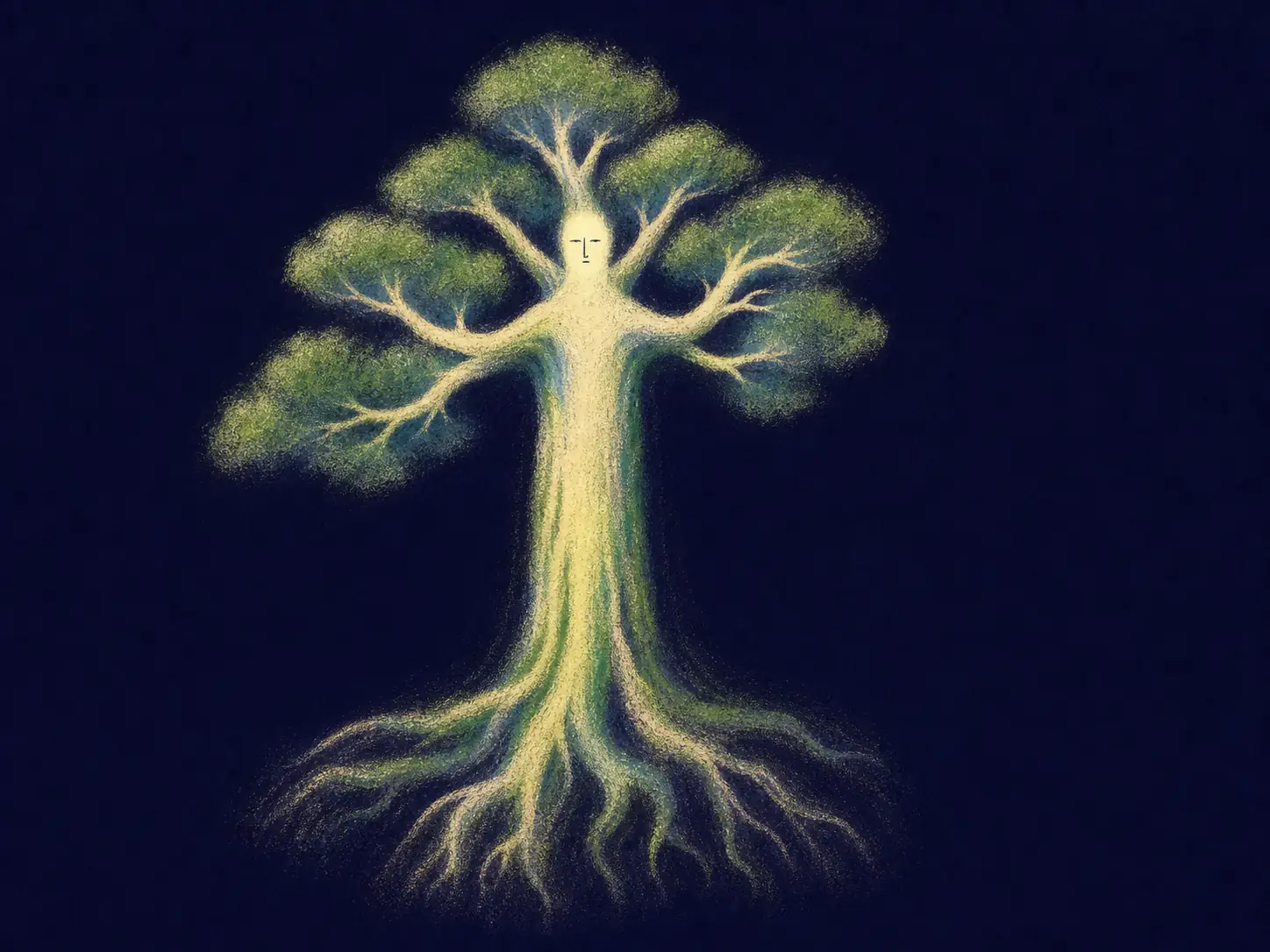
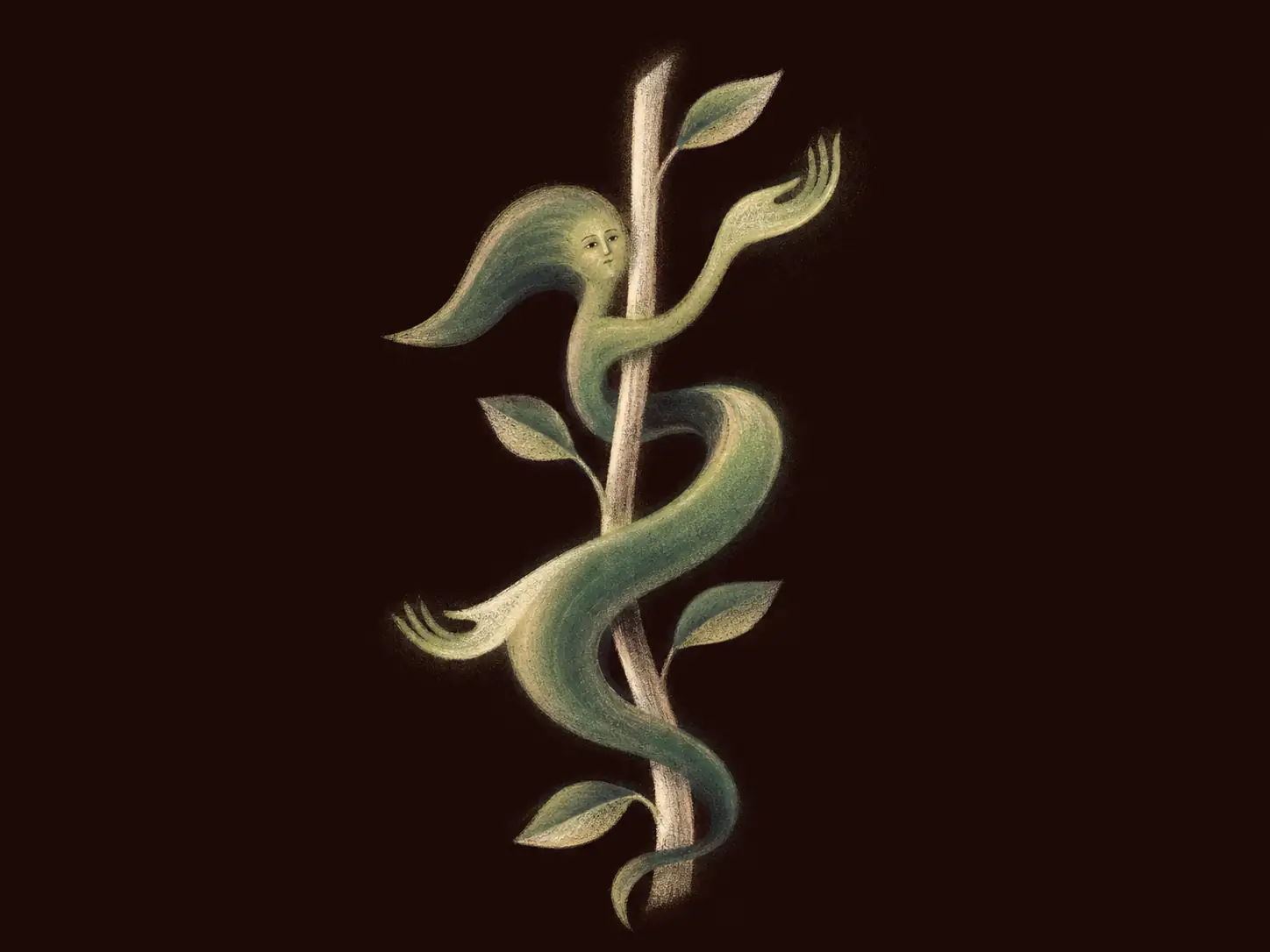
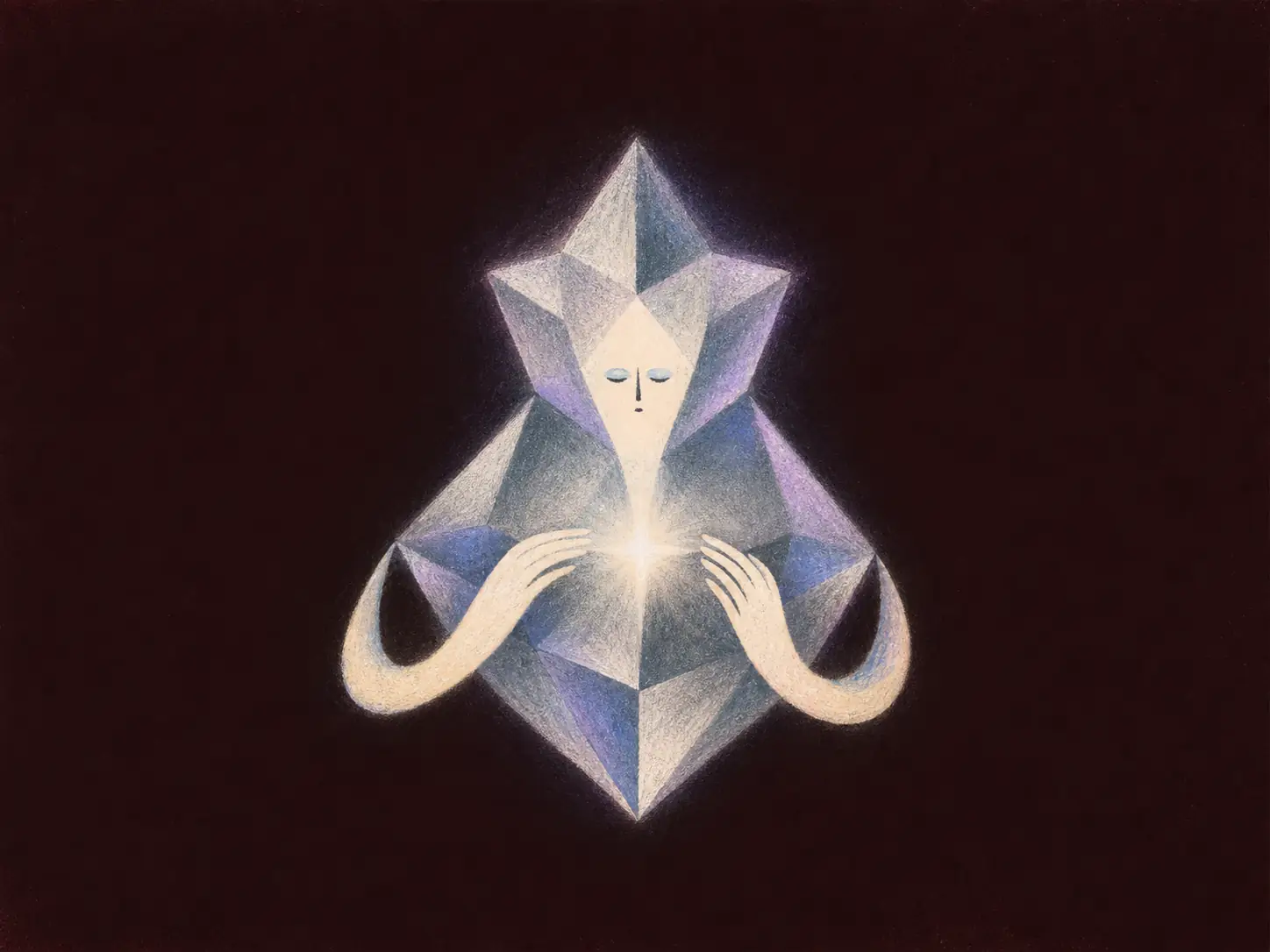
Yang Wood (갑 Gap) is the tall tree: principled and pioneering. Yin Wood (을 Eul) is the vine: flexible and resilient. Yang Fire (병 Byeong) is the sun: radiant and generous. Yin Fire (정 Jeong) is the lamp flame: warm and perceptive. Yang Earth (무 Mu) is the mountain: steady and protective. Yin Earth (기 Gi) is the garden soil: nurturing and practical. Yang Metal (경 Gyeong) is raw ore: decisive and just. Yin Metal (신 Sin) is the jewel: refined and precise. Yang Water (임 Im) is the ocean: expansive and strategic. Yin Water (계 Gye) is the rain: gentle and persistent.
How to find your Day Master
You cannot work it out from your birthday alone — the day stem follows a 60-day cycle that has been running for centuries, so it has to be calculated from the traditional calendar. Our free calculator does this in seconds, with historical timezone and daylight-saving corrections applied, and shows your Day Master along with your full Five Elements balance.
Common questions
How do I find my Day Master?
Calculate a Saju chart using your birth details, then look at the heavenly stem of the day pillar. The Free Chart on this site names it directly. Add an accurate birth time when available, especially near a day boundary.
Is my Day Master the same as my birth-year animal?
No. The birth-year animal comes from the earthly branch of the year pillar. The Day Master comes from the heavenly stem of the day pillar.
Can two people with the same Day Master be different?
Yes. They share only one character. The other pillars, seasonal context and relationships between the elements change how that character is interpreted. A Day Master is not a complete personality assessment.
These guides explain a traditional symbolic framework. Chart calculations and their interpretations are different things. Interpretations are for cultural exploration and self-reflection, not predictions or medical, financial, legal or psychological advice.